


Email marketing continues to deliver one of the highest returns on investment in digital marketing. Whether you’re a blogger, ecommerce store owner, agency, creator, or small business, choosing the right email marketing platform can help you grow your audience, increase conversions, and automate customer communication.
With so many options available, finding the right solution can be challenging. Some platforms focus on affordability, while others prioritize advanced automation, ecommerce features, or ease of use.
To help you make the right decision, we’ve created this comprehensive guide. We evaluated the most popular email marketing tools based on pricing, ease of use, automation capabilities, deliverability, integrations, customer support, and overall value.
Table of Contents
Quick Comparison Table
| Email Marketing Platform | Best For | Free Plan | Starting Price | Automation | Ecommerce Features |
|---|---|---|---|---|---|
| MailerLite | Beginners & Small Businesses | Yes | Affordable | Excellent | Good |
| Brevo | Marketing + CRM | Yes | Affordable | Excellent | Good |
| ActiveCampaign | Advanced Automation | Limited Trial | Premium | Outstanding | Excellent |
| ConvertKit | Creators & Bloggers | Yes | Mid-Range | Excellent | Good |
| GetResponse | All-in-One Marketing | Yes | Mid-Range | Excellent | Excellent |
| Mailchimp | Brand Recognition | Yes | Mid-Range | Good | Good |
| AWeber | Small Businesses | Yes | Affordable | Good | Good |
| Constant Contact | Traditional Businesses | Trial | Mid-Range | Good | Good |
| Moosend | Budget-Friendly Automation | Trial | Affordable | Excellent | Good |
| Sender | High Deliverability | Yes | Affordable | Excellent | Good |
How We Evaluated These Email Marketing Platforms
To create this comparison, we focused on the factors that matter most to businesses and marketers when choosing an email marketing platform. First, we evaluated ease of use by examining how quickly users can create email campaigns, build automation workflows, and manage subscribers without requiring technical expertise. Platforms with intuitive dashboards, user-friendly editors, and streamlined workflows received higher ratings.
We also assessed automation features, as marketing automation plays a critical role in scaling email marketing efforts. Our evaluation considered the flexibility and depth of each platform’s automation capabilities, including workflow builders, triggers, audience segmentation, and behavioral targeting options. Platforms that made it easy to create sophisticated automated campaigns stood out from the competition.
Deliverability was another key factor in our review process. Even the best-designed email campaigns are ineffective if they fail to reach subscribers’ inboxes. We looked at each platform’s reputation for deliverability, reliability, and the tools available to help users maintain strong sender performance and improve inbox placement rates.
To determine overall value, we compared pricing structures, free plan offerings, and the features available at each pricing tier. We paid close attention to whether a platform delivers enough functionality to justify its cost, making it suitable for both small businesses and growing organizations.
Integrations were also an important consideration. We reviewed how well each email marketing platform connects with popular tools such as WordPress, Shopify, WooCommerce, Zapier, CRM systems, and other ecommerce and marketing applications. Strong integration capabilities can significantly improve workflow efficiency and data management.
Finally, we evaluated customer support and educational resources. Reliable support can make a major difference when troubleshooting issues or learning advanced features. We considered the availability of support channels, response times, knowledge bases, tutorials, webinars, and other resources designed to help users succeed.
Image Suggestion: Add a comparison infographic that visually highlights the six evaluation criteria: Ease of Use, Automation Features, Deliverability, Pricing and Value, Integrations, and Customer Support.
1. MailerLite
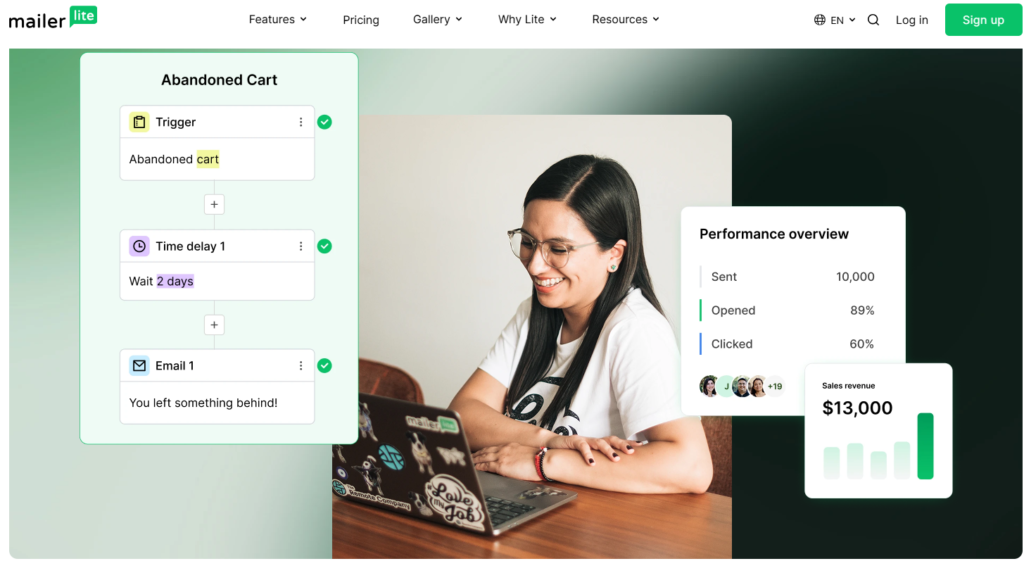
MailerLite has become one of the most popular email marketing platforms because it combines simplicity, affordability, and powerful automation features. it is a user-friendly email marketing platform known for its affordable pricing and clean interface. It offers email automation, landing pages, signup forms, and subscriber management tools, making it an excellent choice for small businesses, bloggers, and creators.
Key Features
- Drag-and-drop email editor
- Marketing automation workflows
- Landing page builder
- Website builder
- Subscriber segmentation
- A/B testing
- Ecommerce integrations
Pros
- Easy to learn
- Generous free plan
- Modern interface
- Excellent automation capabilities
- Great value for money
Cons
- Advanced features require paid plans
- Fewer CRM features than some competitors
Pricing
- Free plan available
- Paid plans start at affordable monthly rates depending on subscriber count
Our Verdict
MailerLite offers one of the best balances of affordability, usability, and features, making it a top choice for small businesses and creators.
2. Brevo
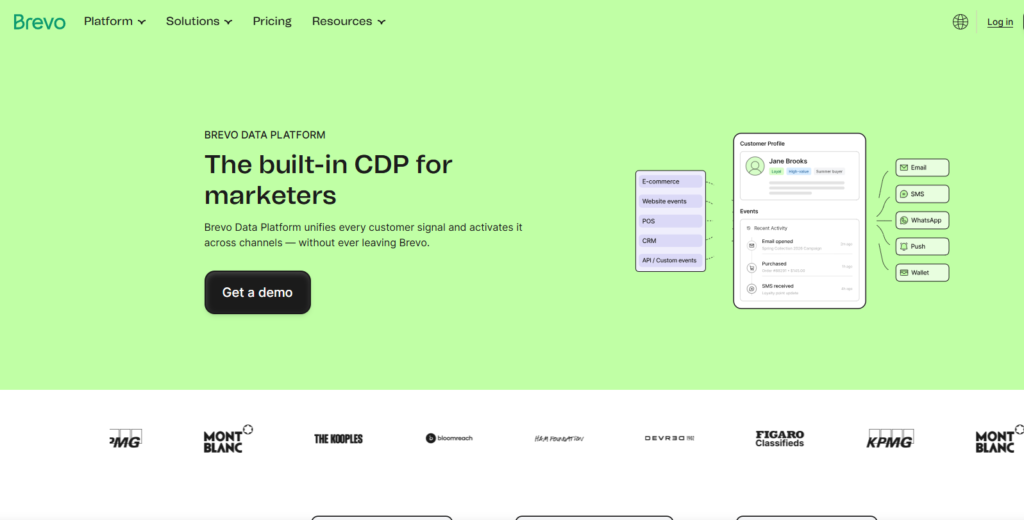
Brevo combines email marketing, SMS marketing, and CRM functionality in a single platform. Its flexible pricing and automation features make it a strong option for businesses looking to manage multiple communication channels from one dashboard.
Key Features
- Email marketing campaigns
- Marketing automation
- CRM system
- SMS marketing
- Transactional emails
- Live chat
Pros
- Strong free plan
- Built-in CRM
- Multi-channel marketing
- Competitive pricing
Cons
- Learning curve for new users
- Some advanced features require upgrades
Pricing
- Free plan available
- Paid plans based on email volume
Our Verdict
Brevo is ideal for businesses wanting more than just email marketing.
Image Suggestion: Brevo CRM and campaign management interface.
3. ActiveCampaign
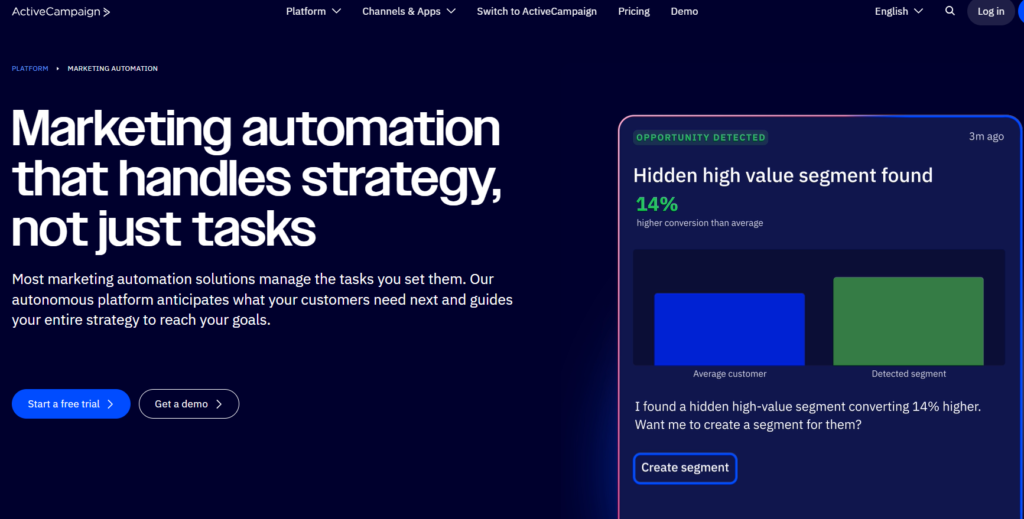
ActiveCampaign is known for its industry-leading automation and customer experience tools. It is one of the most powerful platforms for automation and customer relationship management. It offers advanced workflows, behavioral targeting, and detailed reporting, making it ideal for businesses that want sophisticated marketing automation.
Key Features
- Advanced automation builder
- CRM integration
- Lead scoring
- Dynamic content
- Predictive sending
Pros
- Best-in-class automation
- Extensive integrations
- Powerful segmentation
Cons
- Higher pricing
- Steeper learning curve
Pricing
- Premium pricing structure
- Trial available
Our Verdict
ActiveCampaign is the best choice for businesses prioritizing sophisticated automation workflows.
4. ConvertKit
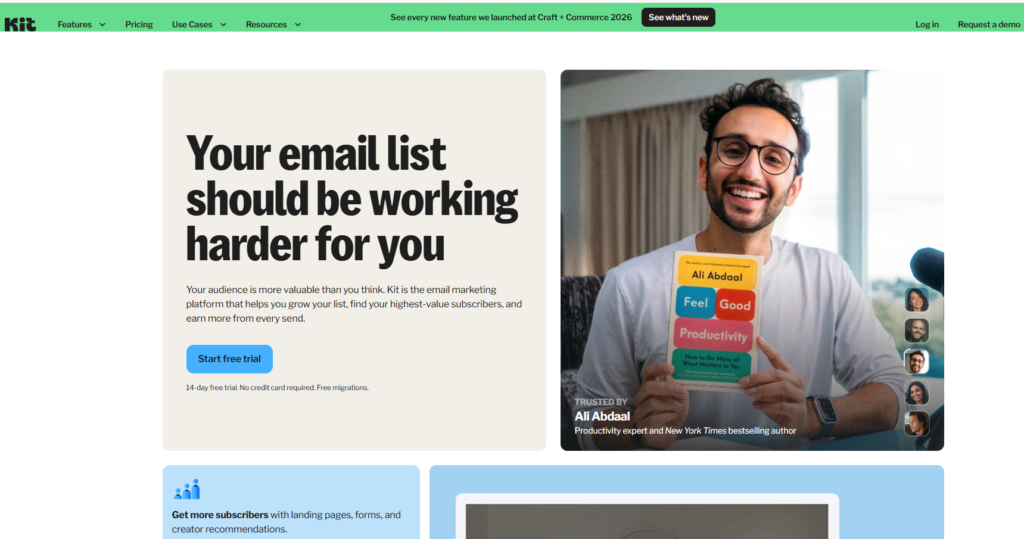
ConvertKit was built specifically for creators who want to grow and monetize their audiences. Its strength lies in audience segmentation, email automation, and digital product sales, making it easy to build and monetize an engaged audience.
Key Features
- Visual automation builder
- Creator-focused landing pages
- Subscriber tagging
- Digital product sales
- Audience segmentation
Pros
- Simple creator workflow
- Easy audience management
- Strong automation features
Cons
- Higher pricing at scale
- Fewer templates than competitors
Pricing
- Free plan available
- Paid plans scale with subscriber growth
Our Verdict
ConvertKit is one of the strongest platforms for bloggers, YouTubers, and digital creators.
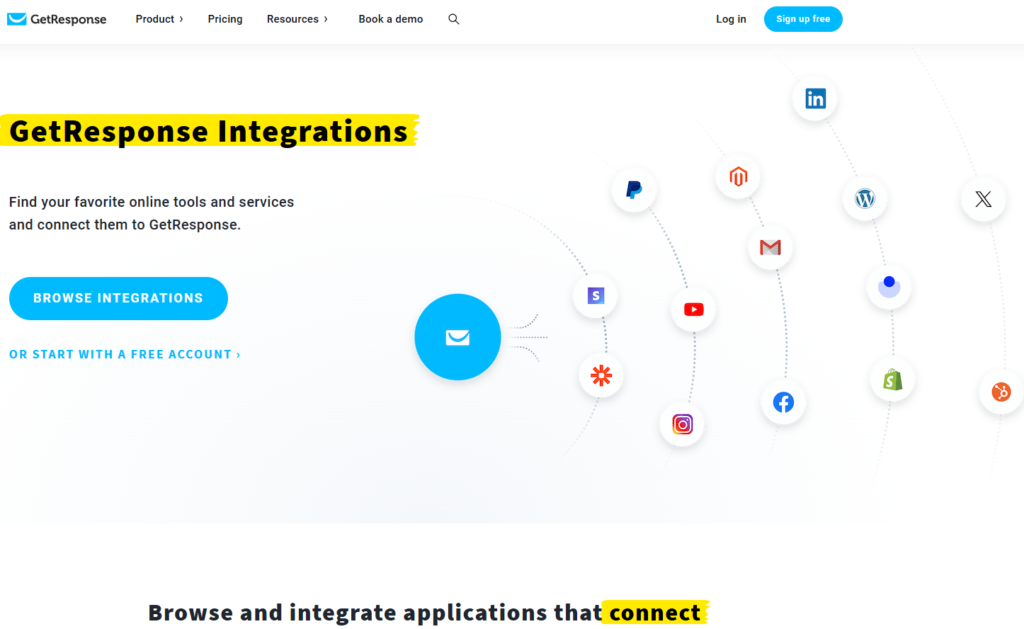
5. GetResponse
GetResponse stands out by offering email marketing, marketing automation, landing pages, and webinar hosting. Businesses that need an all-in-one marketing solution will appreciate its extensive feature set and advanced automation tools.
Key Features
- Email marketing
- Marketing automation
- Webinar hosting
- Funnel builder
- Ecommerce tools
Pros
- Comprehensive feature set
- Built-in webinars
- Strong automation
Cons
- Interface can feel overwhelming
- Higher-tier features cost more
Pricing
- Free plan available
- Multiple premium tiers
Our Verdict
GetResponse is a strong option for businesses wanting an all-in-one marketing solution.
6. Mailchimp
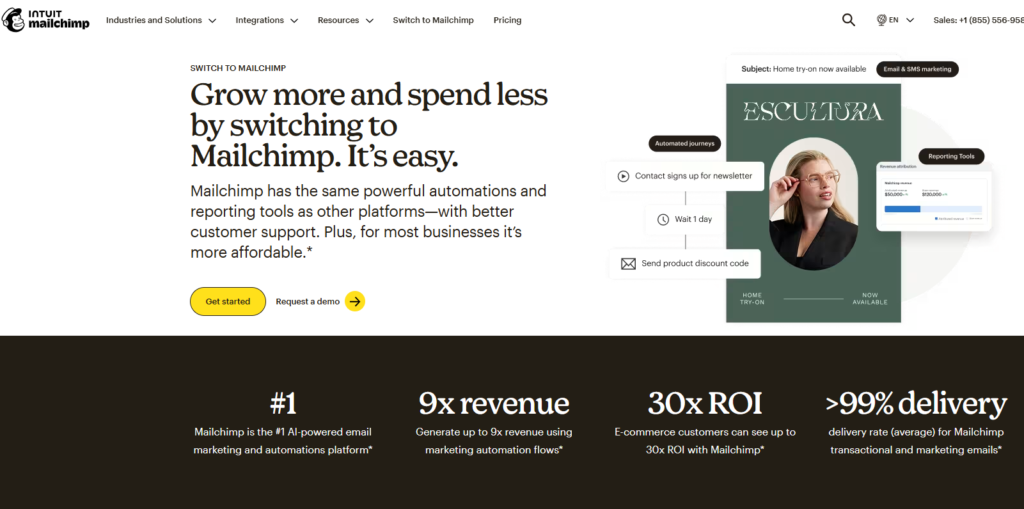
Mailchimp remains one of the most popular email marketing platforms thanks to its extensive template library, powerful analytics, and wide range of integrations. Its free plan is attractive for beginners, while advanced features support growing businesses
Key Features
- Email campaigns
- Customer journeys
- Audience management
- Analytics
- Landing pages
Pros
- Easy setup
- Strong brand reputation
- Large integration ecosystem
Cons
- Pricing increases quickly
- Automation less advanced than specialists
Pricing
- Free plan available
- Tiered paid plans
Our Verdict
Mailchimp remains a reliable platform, though some competitors offer better value.
7. AWeber
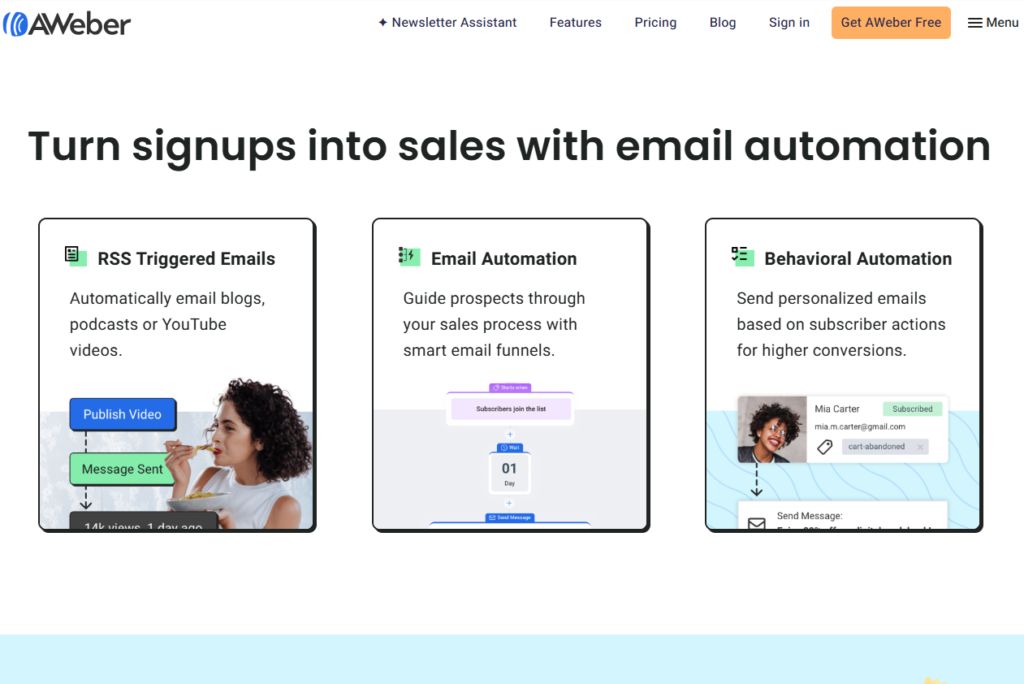
AWeber has served email marketers for decades and remains a dependable choice. It is a reliable email marketing solution that focuses on simplicity and ease of use. It includes automation, landing pages, templates, and subscriber management features, making it a good fit for small businesses and beginners.
Key Features
- Email automation
- Landing pages
- Ecommerce tools
- Newsletter templates
Pros
- Reliable deliverability
- Easy setup
- Helpful support
Cons
- Older interface in some areas
- Automation less advanced
Pricing
- Free plan available
- Affordable paid plans
Our Verdict
AWeber is a solid platform for small businesses seeking simplicity.
8. Constant Contact
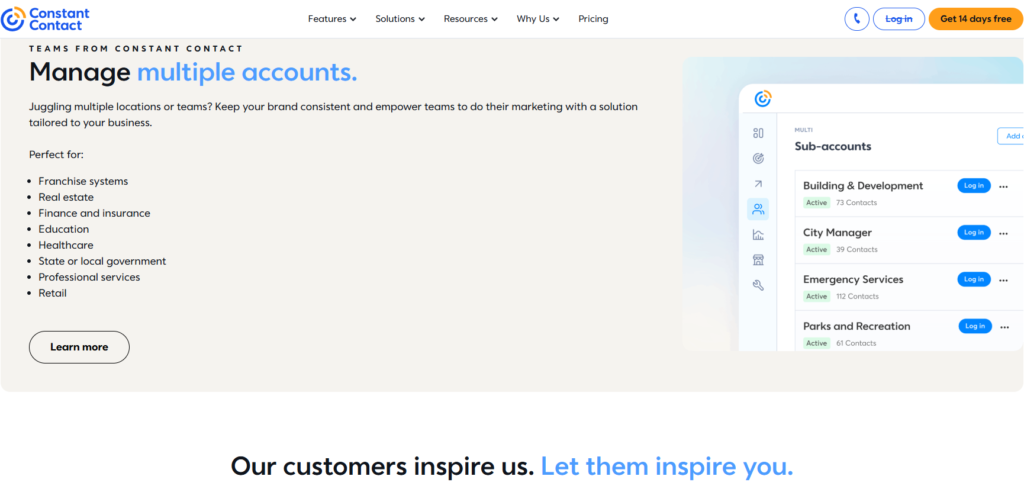
Contact is popular among local businesses, nonprofits, and organizations that need straightforward email marketing tools. Its easy-to-use interface, event management features, and strong customer support make it a dependable choice.
Key Features
- Email marketing
- Event marketing
- Social media tools
- Contact management
Pros
- Beginner-friendly
- Excellent support
- Reliable performance
Cons
- More expensive than alternatives
- Limited automation
Pricing
- Free trial available
- Subscription plans available
Our Verdict
Constant Contact works well for organizations that prioritize support and simplicity.
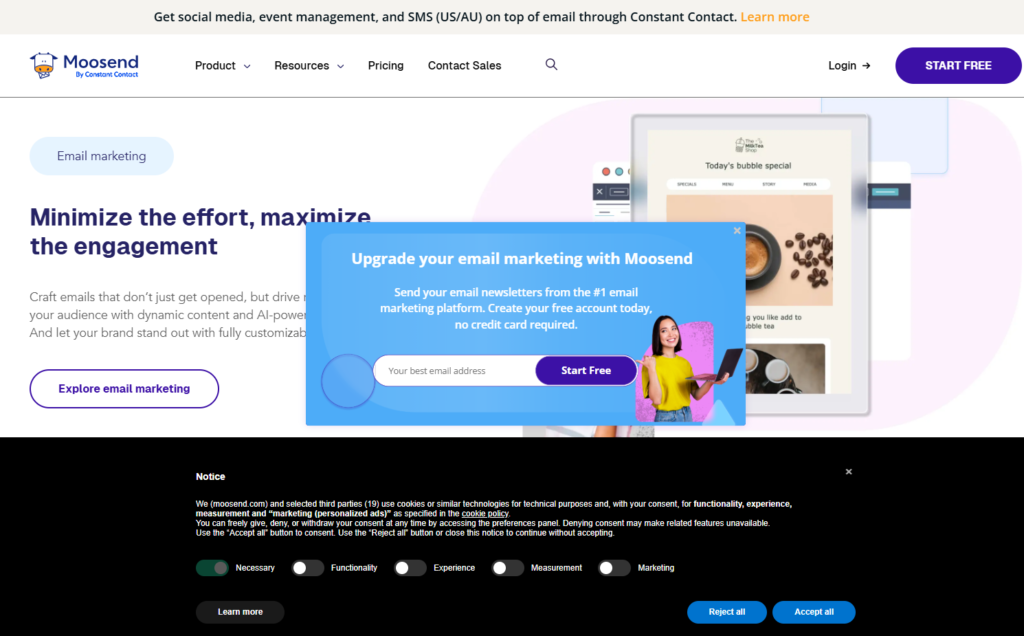
9. Moosend
Best For: Affordable Automation
Moosend offers advanced automation and segmentation features at a competitive price. Businesses looking for a budget-friendly email marketing platform without sacrificing core functionality will find strong value in its feature set.
Key Features
- Automation workflows
- Landing pages
- Segmentation
- Analytics
Pros
- Budget-friendly
- Strong automation
- Easy to use
Cons
- Smaller integration library
- Less brand recognition
Pricing
- Affordable monthly plans
- Trial available
Our Verdict
Moosend delivers excellent value for businesses seeking advanced features without premium pricing.
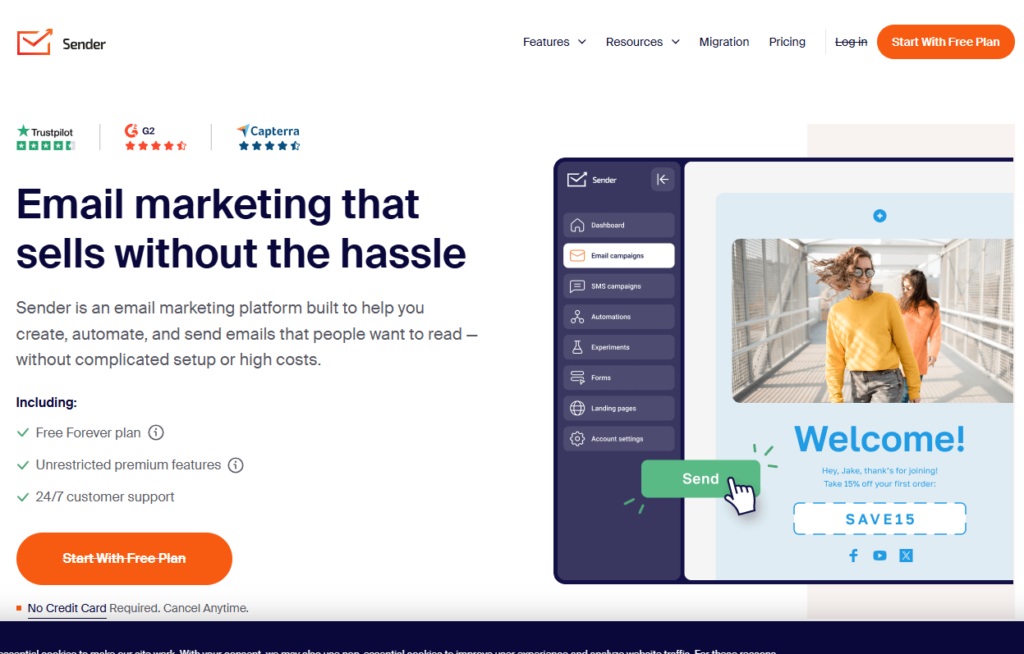
10. Sender
Best For: Deliverability and Affordability
Sender combines strong deliverability with generous free plan limits.
Key Features
- Email campaigns
- Automation workflows
- SMS marketing
- Segmentation
- Analytics
Pros
- Generous free plan
- Excellent deliverability
- Easy campaign setup
Cons
- Fewer advanced features
- Smaller ecosystem
Pricing
- Free plan available
- Affordable premium plans
Our Verdict
Sender is an excellent choice for businesses focused on sending large volumes of emails without overspending.
For most small businesses, MailerLite offers the best combination of features, usability, automation, and affordability. Larger businesses with advanced marketing needs may benefit more from ActiveCampaign or GetResponse.
Final Thoughts
Finding the right platform is one of the most important marketing decisions you’ll make. The tools featured in this guide represent the strongest options available today, each serving different business needs and budgets.
We recommend taking advantage of free plans and trials whenever possible. Testing a platform firsthand is often the best way to determine whether it fits your workflow, marketing goals, and growth strategy.
The good news is that every platform on this list can help you build your audience, strengthen customer relationships, and increase revenue through effective email marketing.
What to Look for When Choosing an Email Marketing Platform
Choosing the right email marketing platform can have a significant impact on your marketing results, customer engagement, and business growth. While many tools offer similar core features, the best choice depends on your budget, business goals, and marketing requirements. In this 10 best email marketing platform comparison, we recommend evaluating the following factors before making your decision.
Ease of Use
An email marketing platform should make it easy to create campaigns, manage subscribers, and monitor performance. If you’re new to email marketing, look for a platform with an intuitive dashboard, drag-and-drop email builder, and simple navigation. A user-friendly platform can save time and reduce the learning curve.
Automation Capabilities
Email automation allows you to send personalized messages automatically based on subscriber actions and behavior. Features such as welcome emails, abandoned cart reminders, customer journeys, and automated follow-up sequences can help increase engagement and conversions while reducing manual work.
Email Templates and Design Tools
Professional-looking emails are essential for building trust and improving engagement. Look for platforms that offer customizable templates, drag-and-drop editors, and mobile-responsive designs. These features make it easier to create attractive campaigns without requiring design experience.
Audience Segmentation and Personalization
The ability to segment your audience helps you send more relevant messages to specific subscriber groups. Advanced segmentation features allow you to organize contacts based on demographics, interests, purchase history, or engagement levels. Personalization tools can further improve open rates and click-through rates.
Deliverability
Deliverability refers to a platform’s ability to help your emails reach subscribers’ inboxes rather than spam folders. Strong deliverability is critical because even the most effective campaign will fail if recipients never see it. Look for platforms with a good sender reputation, authentication support, and deliverability optimization tools.
Integrations
Most businesses use multiple tools to manage their marketing and sales processes. Your email marketing platform should integrate seamlessly with popular services such as WordPress, Shopify, WooCommerce, CRM systems, analytics tools, and social media platforms. Strong integrations help streamline workflows and improve efficiency.
Analytics and Reporting
Data plays an important role in improving email marketing performance. Choose a platform that provides detailed reporting on open rates, click-through rates, conversions, subscriber growth, and campaign performance. Access to accurate analytics allows you to make informed marketing decisions.
Pricing and Scalability
Pricing structures vary widely among email marketing platforms. While free plans can be attractive for beginners, it’s important to consider how costs will increase as your subscriber list grows. Look for a platform that offers a balance between affordability and the features you need both now and in the future.
Customer Support
Reliable customer support can save valuable time when you encounter technical issues or need help setting up campaigns. Consider whether the platform offers live chat, email support, phone support, tutorials, webinars, and a comprehensive knowledge base.
Ecommerce Features
If you run an online store, ecommerce-specific tools can be extremely valuable. Features such as abandoned cart recovery, product recommendations, purchase tracking, customer segmentation, and revenue reporting can help increase sales and customer retention.
AI-Powered Features
Many modern email marketing platforms now include artificial intelligence tools that help generate email content, optimize subject lines, recommend send times, and improve campaign performance. These features can save time and help marketers achieve better results.
Security and Compliance
Protecting subscriber data is essential. Choose a platform that offers strong security measures, GDPR compliance, spam protection, and secure data handling practices. This helps maintain trust and ensures compliance with data privacy regulations.
Final Considerations
Before selecting a platform, think carefully about your business size, marketing goals, budget, and future growth plans. Some platforms are better suited for beginners, while others offer advanced automation and enterprise-level features. The best choice is one that provides the right combination of usability, functionality, scalability, and value for your specific needs.
By evaluating these factors carefully, you’ll be able to choose the platform that best supports your email marketing strategy and long-term business growth.
Frequently Asked Questions About Email Marketing Platforms
What is an email marketing platform?
An email marketing platform is software that helps businesses create, send, automate, and track email campaigns. These tools make it easier to manage subscriber lists, design professional emails, automate marketing workflows, and measure campaign performance.
Which is the best email marketing platform?
The best email marketing platform depends on your specific needs. MailerLite is excellent for beginners and small businesses, ActiveCampaign is ideal for advanced automation, Kit is popular among creators, and Mailchimp offers a well-rounded solution for growing businesses. This 10 best email marketing platform comparison highlights the strengths and weaknesses of each option.
Are there free email marketing platforms available?
Yes. Several email marketing platforms offer free plans, including MailerLite, Mailchimp, Brevo, Kit, GetResponse, and AWeber. Free plans are a great way to get started, although they often have subscriber limits and fewer advanced features.
What features should I look for in an email marketing platform?
Important features include email automation, audience segmentation, customizable templates, analytics, integrations, landing pages, deliverability tools, and customer support. Businesses should also consider pricing, scalability, and ease of use when choosing a platform.
What is email automation?
Email automation allows you to send emails automatically based on predefined triggers or subscriber actions. Common examples include welcome emails, abandoned cart reminders, birthday emails, and follow-up sequences.
Why is email deliverability important?
Email deliverability determines whether your emails reach subscribers’ inboxes instead of spam folders. A platform with strong deliverability can improve open rates, engagement, and overall campaign performance.
Which email marketing platform is best for small businesses?
MailerLite, Brevo, and AWeber are among the best choices for small businesses due to their affordability, ease of use, and essential marketing features.
Which email marketing platform is best for ecommerce?
GetResponse, ActiveCampaign, Mailchimp, and Brevo offer strong ecommerce features such as abandoned cart recovery, customer segmentation, product recommendations, and revenue tracking.
Which email marketing platform is best for creators and bloggers?
Kit (formerly ConvertKit) is one of the most popular choices for creators, bloggers, coaches, and online entrepreneurs because of its audience segmentation, automation, and digital product selling capabilities.
How much does an email marketing platform cost?
Pricing varies depending on the provider and the size of your subscriber list. Entry-level plans typically range from $9 to $20 per month, while advanced plans with automation and CRM features can cost significantly more.
Can I switch from one email marketing platform to another?
Yes. Most email marketing platforms allow you to import subscribers, email templates, and other data from another service. Many providers also offer migration assistance to help simplify the transition.
Do I need technical skills to use an email marketing platform?
No. Most modern email marketing platforms are designed for beginners and include drag-and-drop editors, ready-made templates, and user-friendly dashboards that require little to no technical experience.
Is email marketing still effective in 2026?
Yes. Email marketing continues to be one of the most effective digital marketing channels. It allows businesses to communicate directly with their audience, build relationships, increase customer loyalty, and generate a strong return on investment.
What is the best email marketing platform for beginners?
MailerLite, Mailchimp, and AWeber are often considered the best options for beginners because they offer intuitive interfaces, helpful resources, and affordable pricing plans.
How do I choose the right email marketing platform?
The best approach is to compare platforms based on your budget, business goals, automation requirements, subscriber count, integrations, and desired features. Using a detailed 10 best email marketing platform comparison can help you identify the platform that best fits your needs.
Pingback: Guide To Ecommerce Email Marketing Campaigns