

Introduction

Email marketing campaigns remain one of the most effective ways for us to engage our audience, strengthen customer relationships, and drive sustainable business growth. Whether our goal is to promote products, share valuable content, generate qualified leads, or encourage repeat purchases, email provides a direct and reliable communication channel with subscribers who have chosen to hear from us. Unlike many other digital marketing channels, we own our email list, giving us greater control over our marketing efforts without depending on constantly changing social media algorithms or paid advertising platforms.
One of the biggest reasons email marketing continues to deliver exceptional results is its impressive return on investment (ROI). A well-planned email marketing strategy enables us to reach the right audience with the right message at the right time. By combining audience segmentation, personalization, automation, and performance tracking, we can create campaigns that consistently improve engagement, increase conversions, and maximize marketing efficiency. This combination of affordability, flexibility, and measurable results makes email marketing a core component of any successful digital marketing strategy.
The advantages of email marketing campaigns extend to businesses of every size and across every industry. Small businesses can build brand awareness, nurture customer relationships, and compete effectively without requiring a large marketing budget. Growing companies can automate customer communication, improve engagement, and increase sales, while larger organizations can deliver highly personalized experiences to thousands of subscribers using advanced automation and segmentation. For businesses focused on ecommerce email marketing, email is especially valuable for recovering abandoned carts, promoting new products, sending personalized recommendations, and encouraging repeat purchases, helping to increase both customer loyalty and revenue.
Successful email marketing campaigns require more than simply sending promotional messages. An effective email marketing strategy starts with understanding our audience, setting clear goals, creating valuable and relevant content, selecting the right email marketing platform, and personalizing every stage of the customer journey. We must also monitor campaign performance, test different approaches, and continuously optimize our emails to improve results. By following these best practices, we can create campaigns that build trust, increase customer engagement, and support long-term business growth.
In this comprehensive guide, we will cover everything we need to know about creating successful email marketing campaigns. We’ll explain what email marketing campaigns are, why they remain one of the highest-performing marketing channels, the different types of campaigns available, and how to build an effective email marketing strategy from start to finish. We’ll also explore ecommerce email marketing best practices, common mistakes to avoid, essential performance metrics, automation, artificial intelligence, real-world campaign examples, and the best email marketing platforms available today.
By the end of this guide, we will have a clear understanding of how to plan, launch, measure, and optimize email marketing campaigns that deliver measurable results. Whether we’re creating our first campaign or refining an existing email marketing strategy, the insights shared throughout this guide will help us build stronger customer relationships, improve engagement, increase conversions, and get the most value from every email we send.
Table of Contents
What Are Email Marketing Campaigns?
Email Marketing Campaigns are planned email communications that we send to a targeted group of subscribers to achieve specific marketing goals. Whether we want to promote a product, share valuable content, announce a new service, or strengthen customer relationships, each campaign is designed with a clear objective and a specific audience in mind.
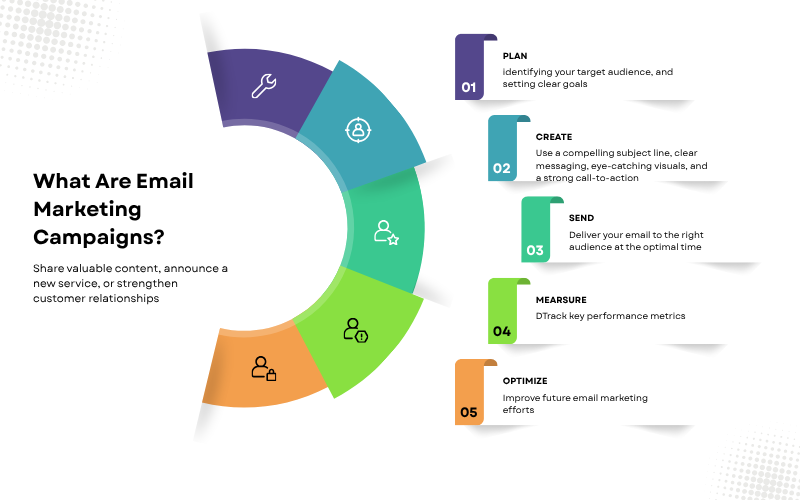
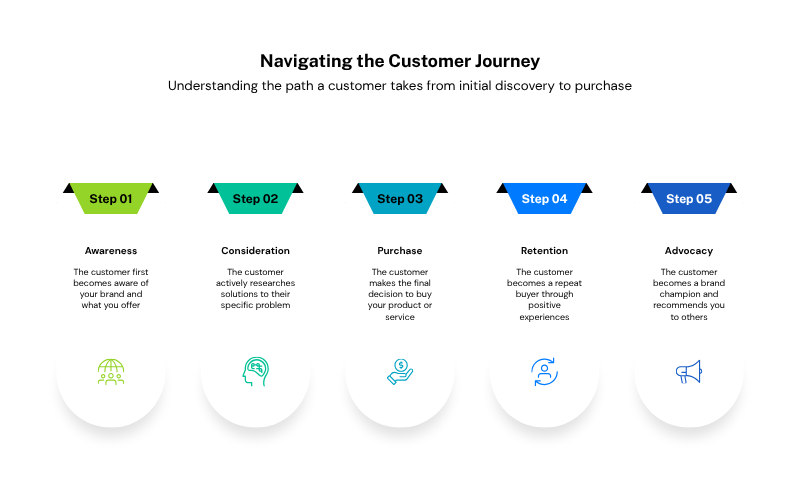
Unlike individual emails sent on an as-needed basis, email marketing campaigns follow a structured strategy. We create each campaign to guide subscribers through different stages of the customer journey, from discovering our brand to making a purchase and becoming loyal customers. By sending the right message at the right time, we can build trust, encourage engagement, and improve conversion rates.
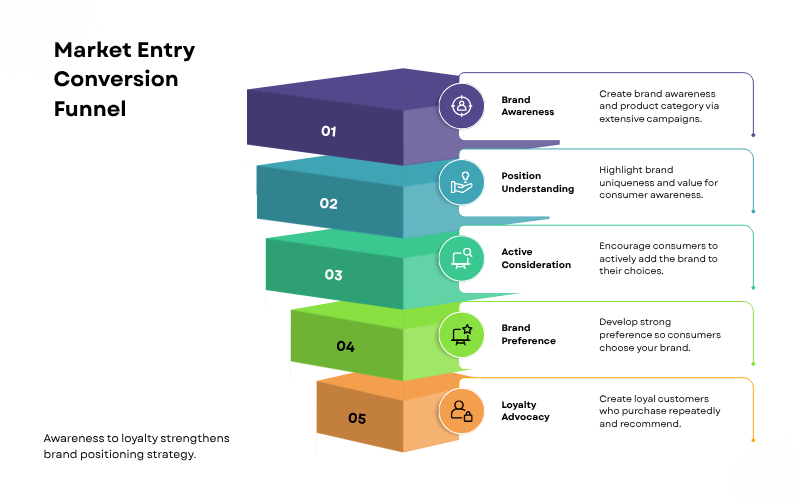
Successful email marketing campaigns begin with a permission-based email list. Instead of sending emails to random contacts, we focus on subscribers who have chosen to receive updates from us. This approach helps us reach people who are genuinely interested in our products, services, or content while improving engagement and maintaining a positive sender reputation.
There are many types of email marketing campaigns, and each serves a different purpose. Welcome emails introduce new subscribers to our brand, newsletters keep our audience informed with useful updates, promotional campaigns highlight special offers, product launch emails announce new releases, and re-engagement campaigns encourage inactive subscribers to reconnect with our business. By combining different campaign types, we can create a consistent and engaging experience for our audience.
Modern email marketing campaigns also rely on personalization and audience segmentation. Rather than sending the same message to every subscriber, we can divide our audience into smaller groups based on factors such as interests, purchasing behavior, location, or previous interactions. This allows us to deliver more relevant content that resonates with each subscriber and increases the likelihood of opens, clicks, and conversions.
Automation has become another essential part of effective email marketing campaigns. We can create automated workflows that send emails when specific actions occur, such as subscribing to a newsletter, downloading a guide, abandoning a shopping cart, or completing a purchase. These automated campaigns help us deliver timely, relevant communication while saving valuable time and ensuring consistency.
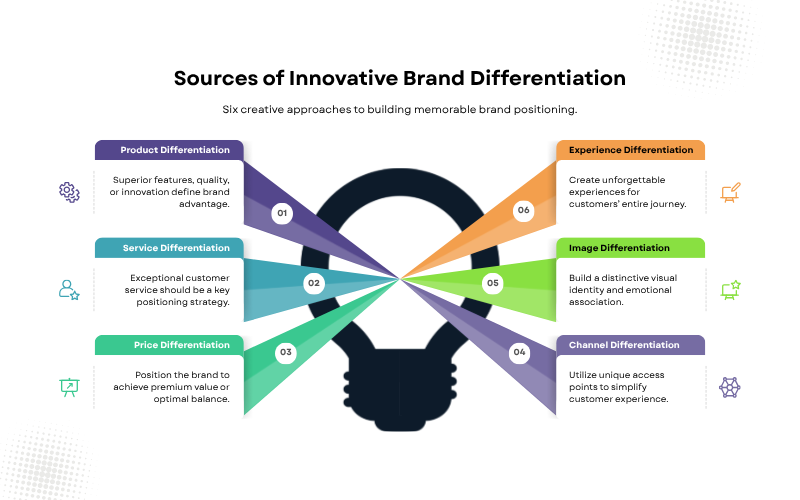
One of the greatest advantages of email marketing campaigns is that their performance is easy to measure. We can track key metrics such as open rates, click-through rates, conversion rates, unsubscribe rates, and overall return on investment (ROI). By analyzing these results, we can identify what is working, refine our strategy, and continuously improve future campaigns.
When planned carefully, email marketing campaigns become much more than promotional emails. They help us build long-term relationships, provide value to our subscribers, increase customer loyalty, and drive sustainable business growth. With the right strategy, quality content, and reliable email marketing software, we can consistently deliver campaigns that benefit both our audience and our business.
Why Email Marketing Campaigns Are Important
Email Marketing Campaigns continue to be one of the most effective digital marketing strategies because they allow us to communicate directly with our audience, build lasting relationships, and achieve measurable business results. Unlike many other marketing channels, email gives us complete control over how and when we connect with our subscribers, making it an essential part of a long-term marketing strategy.
High Return on Investment (ROI)
One of the biggest advantages of email marketing campaigns is their impressive return on investment (ROI). Compared to many other digital marketing channels, email marketing is relatively affordable while offering the potential to generate significant revenue. By delivering relevant content and personalized offers to interested subscribers, we can maximize engagement and achieve better results without requiring a large marketing budget.
Ownership of Our Audience
Email marketing campaigns allow us to build and maintain an audience that we own. Unlike social media platforms, where algorithms and policies can change at any time, our email list belongs to us. As long as subscribers have given permission to receive our emails, we can communicate with them directly without relying on third-party platforms to reach our audience.
Stronger Customer Retention
Keeping existing customers engaged is often more cost-effective than constantly finding new ones. Through regular email marketing campaigns, we can stay connected with customers by sharing valuable content, product updates, exclusive offers, educational resources, and personalized recommendations. Consistent communication helps encourage repeat purchases and strengthens long-term customer loyalty.
Increased Sales and Conversions
Email marketing campaigns play an important role in generating sales throughout the customer journey. Whether we are introducing a new product, promoting a limited-time discount, recovering abandoned shopping carts, or recommending related products, targeted email campaigns encourage subscribers to take action. Well-planned campaigns help convert leads into customers while increasing the lifetime value of existing customers.
Improved Brand Awareness
Regular communication helps keep our brand visible and memorable. Every email we send gives us an opportunity to reinforce our brand identity through consistent messaging, professional design, and valuable content. Over time, well-executed email marketing campaigns help build familiarity and trust, making subscribers more likely to think of our business when they are ready to make a purchase.
Building Strong Customer Relationships
Successful email marketing campaigns are about more than selling products or services. They allow us to build meaningful relationships with our audience by delivering helpful information, answering common questions, sharing industry insights, and providing personalized experiences. When subscribers consistently receive valuable content, they are more likely to trust our brand, engage with our emails, and remain loyal customers.
Measurable Performance and Continuous Improvement
Another reason email marketing campaigns are so valuable is that we can measure their performance with precision. Key metrics such as open rates, click-through rates, conversion rates, unsubscribe rates, and revenue generated provide valuable insights into how our campaigns are performing. By reviewing this data, we can identify what resonates with our audience and continuously improve future campaigns for even better results.
A Scalable Marketing Channel
As our business grows, email marketing campaigns can grow with us. Modern email marketing platforms make it easy to automate workflows, segment subscribers, personalize messages, and manage campaigns for audiences of all sizes. This scalability allows us to maintain consistent communication without significantly increasing our workload, making email marketing a reliable channel for long-term business growth.
When we combine valuable content, audience segmentation, personalization, and automation, email marketing campaigns become a powerful way to increase engagement, strengthen customer relationships, build brand loyalty, and drive sustainable revenue over time.
Types of Email Marketing Campaigns
Email Marketing Campaigns come in many forms, and each type serves a different purpose throughout the customer journey. Rather than sending the same message to every subscriber, we can choose the right campaign based on our marketing goals, audience needs, and the actions we want recipients to take. By using a mix of campaign types, we can build stronger relationships, increase engagement, and generate more sales.
Welcome Emails
Welcome emails are the first messages we send after someone subscribes to our email list. They create a positive first impression and introduce subscribers to our brand, products, or services. A well-crafted welcome email can also set expectations by explaining what subscribers will receive and how often we will contact them. Including a special offer, useful resources, or links to popular content can encourage immediate engagement.
Promotional Emails
Promotional emails are designed to encourage subscribers to take action, such as making a purchase, signing up for an event, or claiming a limited-time offer. We often use these email marketing campaigns to highlight discounts, exclusive deals, new services, or featured products. To improve results, promotional emails should include a compelling subject line, clear messaging, and a strong call-to-action that makes the next step easy.
Newsletter Campaigns
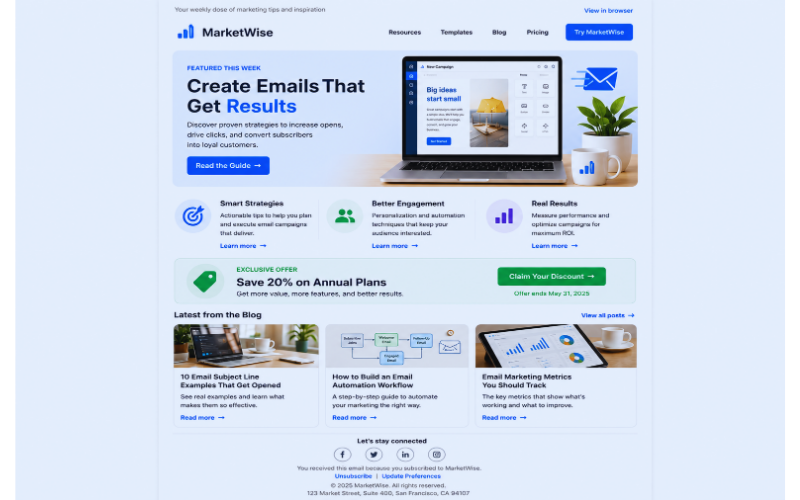
Newsletter campaigns help us stay connected with our audience by delivering valuable and relevant content on a regular basis. Instead of focusing only on sales, newsletters can include company updates, educational articles, industry news, helpful tips, customer stories, or curated resources. Consistently providing useful information helps build trust, strengthens our authority, and keeps our brand top of mind.
Product Launch Emails
When introducing a new product or service, product launch emails help us generate excitement and encourage early engagement. These email marketing campaigns can showcase key features, explain the benefits, announce release dates, and include exclusive offers for subscribers. Building anticipation with teaser emails before the launch can also increase interest and improve conversion rates.
Abandoned Cart Emails
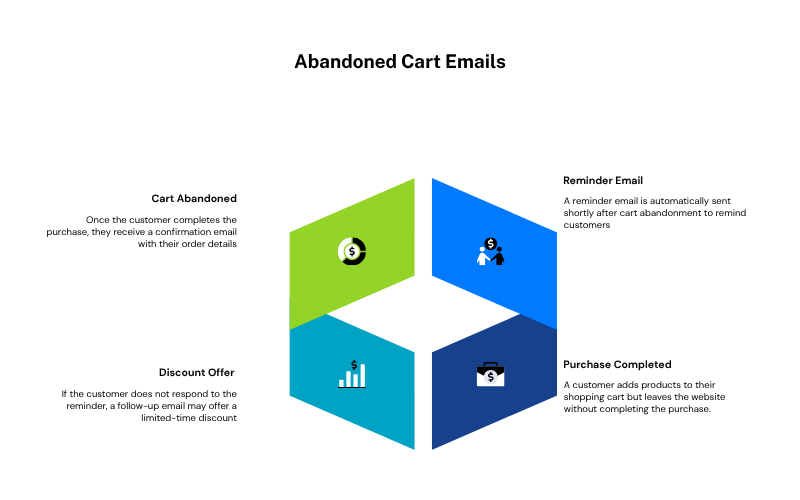
Abandoned cart emails remind customers to complete a purchase after leaving items in their online shopping cart. These automated email marketing campaigns are especially valuable for ecommerce businesses because they recover potentially lost sales. We can increase their effectiveness by including product images, customer reviews, limited-time incentives, or free shipping offers that encourage customers to return and complete their orders.
Re-engagement Campaigns
Not every subscriber remains active over time. Re-engagement campaigns help us reconnect with subscribers who have stopped opening or clicking our emails. We can remind them of the value we provide, ask them to update their preferences, offer exclusive discounts, or invite them to confirm they still want to receive our emails. Regularly running re-engagement campaigns also helps maintain a healthy and engaged email list.
Transactional Emails
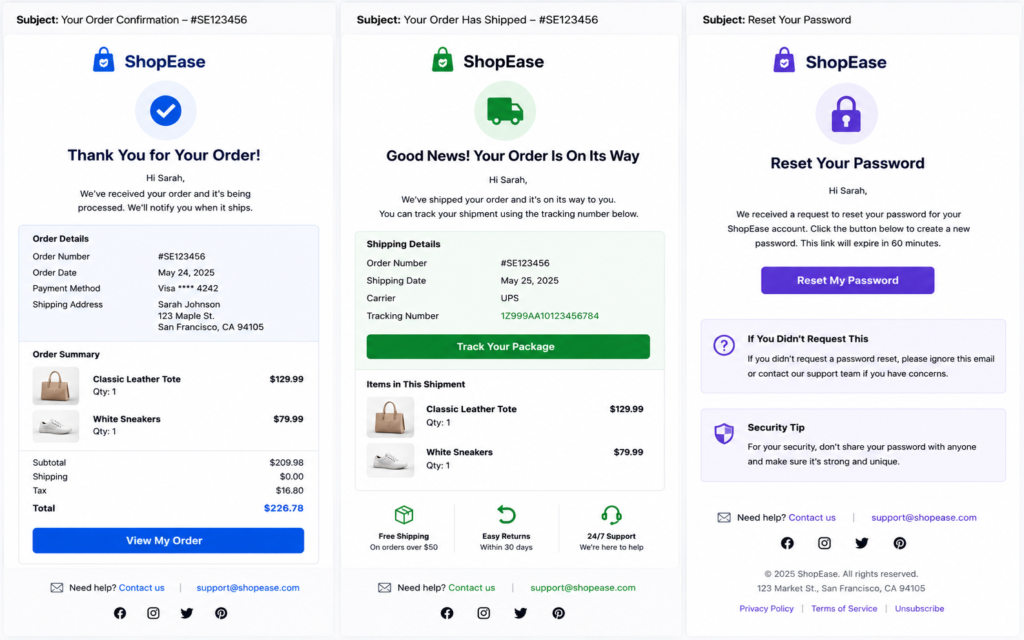
Transactional emails are automatically sent after a customer completes a specific action, such as placing an order, resetting a password, creating an account, or receiving a shipping update. Although these emails primarily provide important information, they also offer opportunities to reinforce our brand, answer common questions, recommend related products, or encourage customers to explore additional services.
Seasonal and Holiday Campaigns
Seasonal and holiday email marketing campaigns allow us to connect with subscribers during important shopping periods and special occasions throughout the year. Whether promoting Black Friday deals, Christmas sales, Valentine’s Day offers, or back-to-school promotions, these campaigns create urgency and encourage timely purchases. Planning seasonal campaigns well in advance helps us deliver relevant content when customer interest is at its highest.
Choosing the Right Email Marketing Campaign
The most successful email marketing campaigns combine several campaign types to support different business objectives. Welcome emails introduce new subscribers, newsletters build ongoing relationships, promotional emails generate sales, abandoned cart emails recover lost revenue, and re-engagement campaigns help maintain an active subscriber base. By understanding the purpose of each campaign and delivering relevant content at the right time, we can create a more effective email marketing strategy that drives long-term growth.
How to Create Successful Email Marketing Campaigns
Creating successful Email Marketing Campaigns requires more than writing an email and clicking “Send.” Every campaign should have a clear purpose, target the right audience, and deliver valuable content that encourages subscribers to take action. By following a structured process, we can improve engagement, increase conversions, and build stronger relationships with our audience over time.
Define Your Goals
Before creating any email marketing campaign, we should identify what we want to achieve. Our goals might include increasing sales, generating leads, driving website traffic, promoting a new product, growing event registrations, or improving customer retention. Having a clear objective helps us create focused content and measure whether our campaign was successful.
Build a Quality Email List
The success of email marketing campaigns starts with a high-quality email list. We should focus on attracting subscribers who genuinely want to hear from us by using newsletter signup forms, lead magnets, landing pages, or account registration forms. Building a permission-based email list improves engagement, protects our sender reputation, and helps ensure our messages reach interested recipients.
Segment Your Audience
Not every subscriber has the same interests or needs. Audience segmentation allows us to group subscribers based on factors such as demographics, purchase history, interests, location, or previous interactions. By sending more relevant content to each segment, we can improve open rates, click-through rates, and conversions while providing a better experience for our audience.
Choose the Right Email Marketing Platform
Selecting the right email marketing platform makes it easier to create, manage, automate, and analyze our campaigns. We should look for features such as email templates, automation workflows, audience segmentation, analytics, A/B testing, integrations, and reliable deliverability. Choosing software that matches our business goals helps us scale our email marketing efforts more efficiently.
Design Professional Emails
A well-designed email makes it easier for subscribers to read our message and take action. We should use a clean layout, consistent branding, readable fonts, high-quality images where appropriate, and a responsive design that works well on both desktop and mobile devices. Keeping our design simple and visually organized helps readers focus on the most important information.
Write Compelling Subject Lines
The subject line is one of the first things subscribers see, making it a major factor in whether an email gets opened. We should write clear, concise, and engaging subject lines that accurately reflect the content of the email. Creating curiosity, highlighting value, or emphasizing urgency can improve open rates, but our subject lines should always remain honest and relevant.
Personalize Your Content
Personalization helps make email marketing campaigns more relevant and engaging. Instead of sending identical emails to every subscriber, we can personalize messages using names, purchase history, browsing behavior, interests, or geographic location. Delivering content that matches each subscriber’s needs increases engagement and encourages stronger customer relationships.
Add Strong Calls-to-Action
Every email marketing campaign should guide subscribers toward a specific action. Whether we want readers to shop now, download a guide, register for a webinar, request a demo, or read a blog post, our call-to-action (CTA) should be clear, visible, and easy to understand. Limiting each email to one primary CTA helps reduce distractions and improves conversion rates.
Test Before Sending
Testing is an essential step before launching email marketing campaigns. We should review our emails for spelling and grammar, verify that all links work correctly, check images, and confirm that the design displays properly on different devices and email clients. Running A/B tests on subject lines, email content, layouts, or CTAs can also help us identify which variations perform best.
Schedule Your Campaign
Timing can have a significant impact on campaign performance. We should schedule our email marketing campaigns based on when our audience is most likely to engage with our content. Many email marketing platforms provide scheduling and automation features that allow us to send emails at optimal times across different time zones. Monitoring campaign performance over time helps us identify the best sending schedule for our audience.
Continuously Measure and Improve
Creating successful email marketing campaigns is an ongoing process. After each campaign, we should review key performance metrics such as open rates, click-through rates, conversions, unsubscribe rates, and revenue generated. By analyzing these results, we can identify opportunities to improve future campaigns, refine our messaging, and better serve our audience.
Best Practices for Ecommerce Email Marketing Campaigns
Successful Email Marketing Campaigns are built on more than great promotions. In ecommerce, every email should provide value, create a positive customer experience, and encourage subscribers to take action. By following proven best practices, we can improve engagement, increase conversions, and build long-term customer loyalty while maximizing the return on our email marketing efforts.
Create Mobile-Friendly Emails
A large percentage of customers read emails on smartphones and tablets, so every ecommerce email should be designed with mobile users in mind. We should use responsive layouts, readable font sizes, optimized images, and buttons that are easy to tap on smaller screens. A mobile-friendly design helps ensure that our email marketing campaigns deliver a consistent experience regardless of the device our subscribers use.
Maintain Consistent Branding
Every email we send should reflect our brand identity. Using consistent colors, logos, fonts, tone of voice, and messaging helps subscribers instantly recognize our business and builds trust over time. Maintaining a consistent brand experience across all email marketing campaigns also creates a more professional appearance and strengthens brand recognition.
Personalize Every Campaign
Personalization helps us deliver more relevant content to each subscriber. Instead of sending the same email to everyone, we can use customer data such as names, browsing behavior, previous purchases, location, and product preferences to tailor our messages. Personalized product recommendations, exclusive offers, and relevant content often lead to higher engagement and better conversion rates.
Test and Optimize with A/B Testing
Continuous testing allows us to improve the performance of our email marketing campaigns. We can test different subject lines, email layouts, images, product recommendations, call-to-action buttons, send times, and promotional offers to learn what resonates most with our audience. Making decisions based on real campaign data helps us optimize future emails and increase overall performance.
Use Automation to Improve Efficiency
Automation allows us to send timely and relevant emails without manual effort. We can create automated workflows for welcome emails, abandoned cart reminders, order confirmations, post-purchase follow-ups, product review requests, win-back campaigns, and loyalty rewards. Automated email marketing campaigns help us maintain consistent communication while delivering the right message at the right stage of the customer journey.
Follow Email Marketing Regulations
Building trust with our subscribers means respecting their privacy and complying with email marketing regulations. We should always collect permission before sending marketing emails, provide a clear unsubscribe option, and protect subscriber data. Following regulations such as the General Data Protection Regulation (GDPR) and the CAN-SPAM Act not only helps us remain compliant but also demonstrates our commitment to responsible email marketing practices.
Find the Right Email Frequency
Sending too many emails can overwhelm subscribers, while sending too few may cause them to forget about our brand. We should develop a consistent email schedule that matches our audience’s expectations and provides value with every message. Monitoring engagement metrics such as open rates, click-through rates, and unsubscribe rates helps us determine the ideal sending frequency for our business.
Keep Our Email List Clean
A healthy email list is essential for successful email marketing campaigns. We should regularly remove invalid email addresses, inactive subscribers, and contacts who consistently fail to engage with our emails. Maintaining a clean list improves deliverability, protects our sender reputation, reduces bounce rates, and ensures we focus our efforts on subscribers who are genuinely interested in our products.
Monitor Performance and Keep Improving
The most effective ecommerce email marketing campaigns are continuously refined using performance data. We should review key metrics such as open rates, click-through rates, conversion rates, revenue per email, unsubscribe rates, and overall return on investment. These insights help us identify opportunities to improve our strategy, create more relevant content, and deliver better customer experiences with every campaign.
By following these best practices, we can create email marketing campaigns that not only increase sales but also strengthen customer relationships, improve brand loyalty, and support sustainable business growth. Consistently delivering valuable, personalized, and well-timed emails helps us turn subscribers into loyal customers and repeat buyers.
Common Email Marketing Campaign Mistakes to Avoid
Even the most carefully planned Email Marketing Campaigns can underperform if we overlook common mistakes. Small issues such as poor targeting, weak messaging, or a lack of testing can reduce engagement and limit conversions. By recognizing these challenges early, we can improve campaign performance, provide a better experience for our subscribers, and achieve more consistent results.
Buying Email Lists
Purchasing email lists may seem like a quick way to grow our audience, but it often leads to poor results. People on purchased lists have not given us permission to contact them, making them less likely to engage with our emails. This can increase bounce rates, spam complaints, and unsubscribe rates while damaging our sender reputation. Instead, we should focus on building a permission-based email list through signup forms, lead magnets, and valuable content.
Ignoring Audience Segmentation
Sending the same email to every subscriber is one of the most common mistakes in email marketing campaigns. Our audience has different interests, needs, and buying behaviors, so a generic message is unlikely to resonate with everyone. By segmenting subscribers based on factors such as purchase history, location, interests, or engagement level, we can deliver more relevant content that encourages higher open rates and conversions.
Writing Weak Subject Lines
The subject line is often the deciding factor in whether an email gets opened. Generic, misleading, or overly promotional subject lines can reduce open rates and damage trust. We should write clear, engaging, and relevant subject lines that accurately reflect the content of the email while giving subscribers a compelling reason to open it.
Sending Emails Too Frequently
Finding the right sending frequency is essential. Sending emails too often can overwhelm subscribers and lead to higher unsubscribe rates, while sending emails too infrequently may cause our audience to lose interest in our brand. Monitoring engagement metrics and subscriber feedback helps us identify a schedule that keeps our audience informed without becoming intrusive.
Using Poor Email Design
A cluttered layout, difficult-to-read text, broken images, or emails that do not display properly on mobile devices can discourage subscribers from engaging with our content. We should use clean, responsive designs with consistent branding, readable fonts, and clear visual hierarchy to create a positive reading experience across all devices.
Forgetting a Clear Call-to-Action
Every email marketing campaign should have a clear purpose. If subscribers are unsure what action to take next, they are more likely to leave without engaging. Whether we want readers to shop, register, download a resource, or learn more, our call-to-action (CTA) should be prominent, easy to understand, and directly related to the goal of the campaign.
Not Testing Before Sending
Launching a campaign without testing can lead to avoidable mistakes. Broken links, spelling errors, incorrect personalization, formatting issues, or emails that display poorly on certain devices can reduce professionalism and affect campaign performance. Before sending any email marketing campaign, we should test links, images, layouts, mobile responsiveness, and personalization fields. Running A/B tests on subject lines, content, or calls-to-action can also provide valuable insights for future campaigns.
Ignoring Campaign Analytics
One of the greatest strengths of email marketing campaigns is the ability to measure performance. If we ignore campaign data, we miss opportunities to improve future results. Regularly reviewing metrics such as open rates, click-through rates, conversion rates, bounce rates, unsubscribe rates, and revenue generated helps us understand what works and where adjustments are needed.
Failing to Deliver Value
Subscribers expect useful, relevant, and engaging content. If every email focuses only on selling, readers may lose interest and unsubscribe. We should balance promotional messages with educational content, helpful resources, product tips, industry insights, and exclusive benefits that provide genuine value. Consistently delivering useful information helps build trust and encourages long-term engagement.
Continuously Learn and Improve
Avoiding these common mistakes is an important part of building successful email marketing campaigns. Every campaign provides valuable data that helps us refine our strategy, improve personalization, optimize timing, and create more relevant content. By focusing on the subscriber experience and making data-driven improvements, we can achieve stronger engagement, better conversions, and long-term business growth.
Key Metrics to Track for Email Marketing Campaigns
Measuring performance is an essential part of improving Email Marketing Campaigns. Without tracking the right metrics, it is difficult to know whether our campaigns are achieving their goals or where improvements are needed. By regularly analyzing campaign data, we can make informed decisions, optimize future emails, and deliver better results over time.
Below are the most important metrics we should monitor when evaluating the success of our email marketing campaigns.
Open Rate
The open rate measures the percentage of recipients who open our email after it has been delivered. It provides insight into how effective our subject lines, sender name, and overall brand recognition are at encouraging subscribers to engage with our messages.
While open rate can help us understand initial engagement, it should not be viewed in isolation. Privacy features in some email clients can affect open rate reporting, so we should combine this metric with other performance indicators for a more complete picture.
Click-Through Rate (CTR)
The click-through rate (CTR) measures the percentage of recipients who click on one or more links within an email. This metric shows whether our content, design, and call-to-action are motivating subscribers to take the next step.
A strong CTR often indicates that our message is relevant to the audience and that our calls-to-action are clear and compelling. If click-through rates are low, we may need to improve our content, email layout, or offer.
Conversion Rate
The conversion rate measures the percentage of recipients who complete a desired action after clicking through an email. Depending on the campaign goal, a conversion could include making a purchase, registering for a webinar, downloading a guide, requesting a quote, or signing up for a free trial.
Conversion rate is one of the most valuable metrics because it shows how effectively our email marketing campaigns contribute to business objectives rather than simply generating clicks.
Bounce Rate
The bounce rate indicates the percentage of emails that could not be delivered successfully. Bounces generally fall into two categories:
- Soft bounces, which are temporary issues such as a full inbox or a temporary server problem.
- Hard bounces, which occur when an email address is invalid, inactive, or no longer exists.
Monitoring bounce rates helps us maintain a healthy email list, protect our sender reputation, and improve future deliverability.
Unsubscribe Rate
The unsubscribe rate measures how many recipients choose to stop receiving our emails after a campaign is sent. A small number of unsubscribes is normal, but a sudden increase may indicate that our content is not meeting subscriber expectations.
We can reduce unsubscribe rates by sending relevant content, personalizing our messages, segmenting our audience, and maintaining a consistent but reasonable email frequency.
Spam Complaint Rate
The spam complaint rate measures how often recipients mark our emails as spam or junk. High complaint rates can damage our sender reputation and reduce the likelihood that future emails reach subscribers’ inboxes.
To minimize spam complaints, we should build permission-based email lists, clearly explain what subscribers will receive when they sign up, provide valuable content, and always include an easy-to-find unsubscribe link.
Revenue per Email
For ecommerce businesses, revenue per email is one of the most meaningful performance metrics. It measures the average amount of revenue generated by each email sent, helping us understand the financial impact of our email marketing campaigns.
Tracking revenue per email allows us to compare different campaigns, evaluate promotional strategies, and identify the types of emails that generate the highest return on investment.
Looking Beyond Individual Metrics
Although each metric provides valuable information, no single measurement tells the whole story. We achieve the best results by reviewing multiple performance indicators together. For example, a campaign may have a high open rate but a low conversion rate, suggesting that while the subject line attracted attention, the email content or offer did not encourage subscribers to take action.
By monitoring open rates, click-through rates, conversion rates, bounce rates, unsubscribe rates, spam complaints, and revenue per email, we can gain a complete understanding of campaign performance and make data-driven improvements that strengthen future email marketing campaigns.
Best Email Marketing Campaign Software
Choosing the right software is one of the most important decisions we make when creating successful Email Marketing Campaigns. The best platform depends on our business goals, budget, technical requirements, and the features we need. Some platforms are designed for beginners who want a simple email builder, while others offer advanced automation, customer segmentation, ecommerce integrations, and detailed reporting.
Below is an overview of some of the most popular email marketing platforms and what each one offers.
| Platform | Best For | Key Features | Pricing Overview | Pros | Cons |
|---|---|---|---|---|---|
| MailerLite | Small businesses, bloggers, and creators | Drag-and-drop editor, automation, landing pages, signup forms, email templates | Free plan available with paid plans for advanced features | Easy to use, affordable, generous free plan | Advanced automation is more limited than some enterprise platforms |
| Mailchimp | Beginners and growing businesses | Email builder, automation, audience management, analytics, AI tools | Free plan with tiered paid plans | User-friendly interface, extensive integrations, strong brand recognition | Pricing increases as subscriber lists grow |
| Brevo | Businesses looking for email and SMS marketing | Email campaigns, SMS marketing, automation, CRM, transactional emails | Free plan available with scalable paid plans | Includes CRM and SMS in one platform, flexible pricing | Email template selection is smaller than some competitors |
| ActiveCampaign | Businesses focused on automation | Advanced automation, CRM, segmentation, predictive sending, reporting | Paid plans with multiple feature tiers | Powerful automation, detailed customer journeys, advanced segmentation | Higher learning curve for beginners |
| Kit (formerly ConvertKit) | Content creators and digital entrepreneurs | Email sequences, landing pages, subscriber tagging, automation, commerce tools | Free plan with paid upgrades | Designed for creators, easy automation, audience tagging | Fewer ecommerce features than dedicated ecommerce platforms |
| GetResponse | Businesses that want an all-in-one marketing platform | Email marketing, webinars, automation, landing pages, ecommerce tools | Free plan and multiple paid plans | Includes webinar hosting and conversion funnels | Some advanced features require higher-tier plans |
| Omnisend | Ecommerce businesses | Automation, product recommendations, SMS, push notifications, ecommerce integrations | Free plan with scalable paid options | Excellent ecommerce automation and multichannel marketing | Less suitable for businesses outside ecommerce |
| Klaviyo | Growing and established online stores | Customer segmentation, predictive analytics, automation, product recommendations | Free plan with pricing based on contacts and usage | Advanced ecommerce features, powerful analytics, deep integrations | Can become expensive as subscriber lists grow |
| AWeber | Small businesses and entrepreneurs | Email templates, automation, landing pages, subscriber management | Free plan with affordable paid plans | Simple interface, reliable deliverability, responsive support | Automation capabilities are less advanced than some competitors |
| Constant Contact | Small businesses and nonprofits | Email marketing, event marketing, surveys, social media tools | Paid plans with a limited trial period | Easy to use, strong customer support, event management features | No permanent free plan and fewer advanced automation features |
How to Choose the Right Email Marketing Software
The right platform depends on our marketing objectives and the features we value most. When comparing software for email marketing campaigns, we should consider the following factors:
- Ease of use and learning curve
- Email automation capabilities
- Audience segmentation and personalization
- Email templates and design tools
- Landing page and form builders
- Ecommerce and CRM integrations
- Reporting and analytics
- Deliverability reputation
- Customer support and educational resources
- Pricing as our subscriber list grows
Rather than focusing only on the lowest price, we should evaluate the overall value each platform provides. Choosing software that aligns with our current needs while supporting future growth can save time and reduce the need to switch platforms later.
Which Platform Is Best?
There is no single platform that is the best choice for every business. A small business may value affordability and simplicity, while a growing ecommerce store may need advanced automation and customer segmentation. Content creators often prioritize audience management and digital product sales, whereas larger organizations may require CRM integration and sophisticated marketing workflows.
The most effective email marketing campaigns are built on software that matches our goals, budget, and level of experience. Before making a decision, it is worth taking advantage of free plans or trial periods to explore the platform’s interface, features, and reporting tools. Testing different solutions helps us find the software that best supports our long-term email marketing strategy.
Email Marketing Campaign Examples
One of the best ways to understand Email Marketing Campaigns is to look at how they are used in real business situations. Different campaigns are designed to achieve different goals, from welcoming new subscribers to recovering lost sales and encouraging repeat engagement. By using the right type of campaign at the right time, we can deliver more relevant experiences and build stronger relationships with our audience.
Below are some of the most common and effective email marketing campaign examples.
Welcome Email
A welcome email is the first message we send after someone subscribes to our email list. It introduces our brand, thanks subscribers for joining, and sets expectations for the type of content they will receive.
A welcome email may include:
- A warm introduction to our business.
- A summary of our products or services.
- Helpful resources or popular content.
- A discount or special offer for new subscribers.
- Links to our website or social media channels.
Since welcome emails are often the first interaction subscribers have with our brand, making a positive first impression is essential.
Product Announcement Email
Product announcement emails help us introduce new products, services, or features to our subscribers. These email marketing campaigns generate excitement by highlighting the benefits, explaining what is new, and encouraging readers to learn more or make a purchase.
A product announcement should clearly communicate:
- What has been launched.
- Why it is valuable.
- Key features and benefits.
- Availability or launch date.
- A clear call-to-action to view or purchase the product.
Flash Sale Email
Flash sale emails are designed to create urgency by promoting limited-time offers. Because these campaigns have a short promotional window, they encourage subscribers to act quickly before the offer expires.
An effective flash sale email typically includes:
- A strong, attention-grabbing subject line.
- The discount or promotional offer.
- A clear expiration date or countdown.
- Featured products or services.
- A prominent call-to-action button.
Adding urgency helps increase conversions while encouraging immediate action.
Weekly Newsletter
A weekly newsletter keeps our audience informed and engaged through regular communication. Rather than focusing only on promotions, newsletters provide ongoing value that helps build trust and strengthen customer relationships.
A newsletter may include:
- Company news and updates.
- Educational blog articles.
- Industry insights.
- Product tips and tutorials.
- Upcoming events.
- Featured products or customer success stories.
Consistent newsletters help keep our brand top of mind without overwhelming subscribers with constant sales messages.
Abandoned Cart Reminder
Abandoned cart emails remind customers to complete purchases after leaving products in their online shopping cart. These automated email marketing campaigns are widely used by ecommerce businesses because they recover potential revenue that might otherwise be lost.
An abandoned cart reminder often includes:
- Images of the products left behind.
- A reminder to complete the purchase.
- Customer reviews or trust signals.
- Limited-time discounts or free shipping offers.
- A direct link back to the shopping cart.
Sending reminders shortly after cart abandonment can significantly improve recovery rates.
Customer Feedback Request
Customer feedback emails allow us to collect valuable insights after a purchase or interaction with our business. Listening to customer opinions helps us improve products, services, and the overall customer experience.
These emails often ask subscribers to:
- Complete a short survey.
- Leave a product review.
- Rate their experience.
- Share suggestions for improvement.
- Recommend our business to others.
Feedback campaigns also demonstrate that we value our customers’ opinions and are committed to continuous improvement.
Webinar Invitation
Webinar invitation emails promote upcoming online events and encourage subscribers to register. These email marketing campaigns are particularly effective for businesses that offer educational content, software demonstrations, or professional training.
A webinar invitation should clearly communicate:
- The webinar topic.
- Date and time.
- Key learning outcomes.
- Guest speakers or presenters.
- Registration link.
- Any incentives for attending.
Sending reminder emails before the event can also improve attendance rates.
Re-engagement Email
Over time, some subscribers become inactive. Re-engagement emails are designed to reconnect with these contacts and encourage them to interact with our brand again.
These campaigns may include:
- A reminder of the value we provide.
- New products or recent updates.
- Exclusive discounts.
- Personalized recommendations.
- A request to update email preferences.
- An option to remain subscribed.
Running re-engagement campaigns regularly helps maintain a healthy email list and improves overall engagement.
Choosing the Right Campaign Example
Every business has different goals, so there is no single approach that works for every situation. The most successful email marketing campaigns combine several campaign types throughout the customer lifecycle. Welcome emails introduce new subscribers, newsletters build trust, promotional campaigns drive sales, abandoned cart reminders recover revenue, and re-engagement emails help maintain an active subscriber base.
By understanding when and how to use each campaign, we can create more meaningful customer experiences while improving engagement, conversions, and long-term business growth.
Email Marketing Campaign Automation
Automation has transformed the way we manage Email Marketing Campaigns. Instead of manually sending every email, we can create automated workflows that deliver the right message to the right person at the right time. This not only saves valuable time but also helps us provide a more consistent and personalized experience throughout the customer journey.
By using automation, we can respond to customer actions instantly, nurture leads more effectively, and maintain regular communication without increasing our daily workload. Whether we run a small business or a large ecommerce store, automated email marketing campaigns help us scale our marketing efforts while improving engagement and conversions.
Drip Campaigns
Drip campaigns are a series of automated emails sent over a set period or triggered by specific actions. Instead of overwhelming subscribers with too much information at once, we gradually deliver valuable content that guides them through the customer journey.
For example, after someone joins our email list, we can automatically send a welcome email, followed by educational content, product recommendations, customer success stories, and promotional offers. Drip campaigns help us build trust, educate subscribers, and move them closer to making a purchase.
Triggered Emails
Triggered emails are sent automatically when a subscriber performs a specific action. Unlike scheduled newsletters, these emails are highly relevant because they respond to real customer behavior.
Common triggered email marketing campaigns include:
- Welcome emails after a new subscription
- Abandoned cart reminders
- Order confirmation emails
- Shipping notifications
- Password reset emails
- Product review requests
- Birthday or anniversary emails
Because triggered emails are timely and relevant, they often generate higher engagement than standard promotional campaigns.
Customer Journeys
Every customer interacts with our business differently, which is why automation allows us to build customized customer journeys. Instead of sending identical emails to everyone, we can create workflows that adapt based on subscriber actions and preferences.
For example, a customer who downloads an ebook may receive educational content before being introduced to a product demonstration, while someone who completes a purchase may enter a post-purchase sequence that includes helpful tips, product recommendations, and review requests.
Mapping customer journeys ensures our email marketing campaigns remain relevant at every stage of the buying process.
Behavioral Automation
Behavioral automation allows us to send emails based on how subscribers interact with our website, emails, or products. Rather than relying on a fixed schedule, we can respond to actions such as browsing specific product categories, clicking particular links, completing purchases, or becoming inactive.
Examples of behavioral automation include:
- Recommending products based on previous purchases
- Sending reminders after visitors view products without buying
- Offering discounts to inactive customers
- Suggesting related products after a completed purchase
- Delivering educational content based on subscriber interests
By responding to customer behavior, we can provide more relevant experiences that encourage stronger engagement.
Lead Nurturing
Not every subscriber is ready to buy immediately. Lead nurturing helps us build trust over time by delivering valuable and informative content throughout the decision-making process.
Instead of focusing only on promotions, we can share buying guides, industry insights, product comparisons, case studies, tutorials, and customer success stories. As subscribers continue engaging with our content, we can gradually introduce offers that match their level of interest and readiness to purchase.
Well-designed lead nurturing campaigns help convert prospects into loyal customers while strengthening long-term relationships.
Time-Saving Benefits
One of the greatest advantages of automation is the amount of time it saves. Once our workflows are created, they continue operating automatically with minimal manual effort. This allows us to focus on strategy, content creation, campaign optimization, and business growth instead of repeatedly sending individual emails.
Automation also helps us:
- Deliver emails consistently.
- Reduce manual and repetitive tasks.
- Respond to customer actions instantly.
- Improve personalization at scale.
- Maintain regular communication with large subscriber lists.
- Increase efficiency without expanding our marketing team.
Make Automation Part of Your Strategy
Automation is not about replacing personal communication—it is about delivering more relevant communication at the right moment. By combining drip campaigns, triggered emails, customer journeys, behavioral automation, and lead nurturing, we can create email marketing campaigns that provide a better experience for our subscribers while supporting our business goals.
As our audience grows, automation enables us to scale our email marketing efforts without sacrificing quality, helping us build stronger customer relationships, improve engagement, and generate sustainable long-term results.
How AI Is Changing Email Marketing Campaigns
Artificial intelligence (AI) is transforming the way we create, manage, and optimize Email Marketing Campaigns. Tasks that once required hours of manual work can now be completed much faster with the help of AI-powered tools. From generating subject lines and writing email content to improving personalization and optimizing campaign performance, AI helps us work more efficiently while delivering a better experience for our subscribers.
Rather than replacing marketers, AI supports our decision-making by analyzing data, identifying patterns, and providing recommendations that help us create more effective email marketing campaigns.
AI Subject Line Generation
The subject line is often the first thing subscribers see, making it one of the most important elements of any email campaign. AI-powered tools can generate multiple subject line suggestions based on our campaign goals, target audience, and email content.
These suggestions can help us create subject lines that are clear, engaging, and relevant. AI can also recommend variations for A/B testing, allowing us to compare different approaches and identify which ones encourage higher open rates.
AI Copywriting
Writing email content can be time-consuming, especially when creating multiple campaigns. AI copywriting tools help us draft email introductions, promotional messages, product descriptions, calls-to-action, and follow-up emails in less time.
While AI can speed up content creation, we should always review and edit the output to ensure it reflects our brand voice, provides accurate information, and meets the needs of our audience. Combining AI-generated drafts with human editing often produces the strongest results.
Predictive Sending
Choosing the right time to send an email can have a significant impact on engagement. AI uses historical subscriber data to predict when individual recipients are most likely to open and interact with emails.
Instead of sending every email at the same time, predictive sending allows us to deliver messages when each subscriber is most likely to be active. This can improve open rates, increase click-through rates, and create a better overall subscriber experience.
Smarter Personalization
Personalization has always been important, but AI makes it possible to deliver more relevant experiences at scale. Rather than simply including a subscriber’s name, AI can analyze customer behavior, browsing history, previous purchases, and engagement patterns to recommend content that matches each person’s interests.
For example, AI can suggest products based on purchase history, recommend relevant blog articles, or highlight services that align with a subscriber’s preferences. This deeper level of personalization helps make email marketing campaigns more engaging and valuable.
Audience Segmentation
Effective email marketing campaigns depend on sending the right message to the right audience. AI simplifies audience segmentation by automatically identifying meaningful groups of subscribers based on behavior, engagement, purchase history, demographics, or predicted interests.
Instead of creating every segment manually, we can use AI to discover patterns that may not be immediately obvious. This allows us to deliver more targeted campaigns that better match the needs of different subscriber groups.
Performance Optimization
AI can continuously analyze campaign performance and recommend improvements based on real data. It can identify trends in open rates, click-through rates, conversions, and subscriber engagement while highlighting opportunities to improve future campaigns.
Some AI-powered email marketing platforms can also recommend:
- Better subject lines.
- Improved send times.
- More effective calls-to-action.
- Higher-performing email layouts.
- Personalized product recommendations.
- Content variations for A/B testing.
These insights help us make data-driven decisions instead of relying solely on guesswork.
The Benefits of AI for Email Marketing
When used effectively, AI offers several advantages for email marketing campaigns, including:
- Faster content creation.
- Improved personalization.
- Smarter audience segmentation.
- Better send-time optimization.
- More efficient campaign management.
- Stronger customer engagement.
- Continuous performance improvement.
- Time savings through automation.
These benefits allow us to focus more on strategy, creativity, and building stronger customer relationships while AI assists with repetitive tasks and data analysis.
Balancing AI with Human Creativity
Although AI is a powerful tool, successful email marketing campaigns still depend on human creativity and strategic thinking. AI can generate ideas, analyze data, and automate repetitive processes, but it cannot fully replace our understanding of our audience, brand voice, or business goals.
The most effective approach is to combine AI with human expertise. We can use AI to improve efficiency and uncover valuable insights while ensuring that every campaign remains authentic, accurate, and aligned with our overall marketing strategy.
Frequently Asked Questions
Below are answers to some of the most common questions about Email Marketing Campaigns. Whether we are just getting started or looking to improve our existing strategy, these answers can help us better understand how email marketing works and how to achieve better results.
What is an email marketing campaign?
An email marketing campaign is a planned series of marketing emails sent to a targeted group of subscribers with a specific goal. We may use email marketing campaigns to promote products or services, share educational content, announce new launches, nurture leads, encourage repeat purchases, or strengthen customer relationships. Every campaign should have a clear objective, relevant content, and a measurable outcome.
How often should you send marketing emails?
There is no single schedule that works for every business. The ideal frequency depends on our audience, industry, and the type of content we share. Some businesses send weekly newsletters, while others communicate several times each month or increase email frequency during promotions. We should monitor engagement metrics such as open rates, click-through rates, and unsubscribe rates to determine the best schedule for our subscribers while avoiding email fatigue.
What is the best email marketing software?
The best email marketing software depends on our business goals and feature requirements. Some platforms are ideal for beginners, while others offer advanced automation, ecommerce integrations, customer segmentation, and analytics. When comparing software, we should consider ease of use, automation features, deliverability, reporting, integrations, customer support, and pricing. Choosing a platform that can grow with our business will provide greater long-term value.
What makes an email campaign successful?
Successful email marketing campaigns begin with a clear objective and a well-defined audience. We can improve campaign performance by creating valuable content, writing compelling subject lines, personalizing our messages, designing mobile-friendly emails, including a clear call-to-action, and analyzing campaign performance after each send. Continuous testing and optimization also play an important role in achieving better results over time.
How do you improve email open rates?
Improving open rates starts with writing relevant and engaging subject lines that encourage subscribers to open our emails. We should also use a recognizable sender name, segment our audience, personalize our messages, maintain a consistent sending schedule, and send emails at times when subscribers are most likely to engage. Keeping our email list clean and sending valuable content also helps improve long-term engagement.
Are email marketing campaigns still effective?
Yes. Email marketing campaigns continue to be one of the most effective digital marketing channels because they allow us to communicate directly with our audience. Unlike many other marketing channels, email gives us ownership of our subscriber list while providing measurable results. When combined with personalization, automation, audience segmentation, and valuable content, email marketing remains an effective way to generate leads, increase sales, and build long-term customer relationships.
What is a good email click-through rate?
A good click-through rate (CTR) varies depending on factors such as industry, audience, and campaign type. Rather than focusing only on industry averages, we should monitor our own campaign performance and aim for continuous improvement. Testing different subject lines, layouts, calls-to-action, personalization strategies, and email content can help increase click-through rates over time.
Can small businesses benefit from email marketing campaigns?
Absolutely. Email marketing campaigns offer an affordable and scalable way for small businesses to reach customers, promote products, share updates, and build lasting relationships. Many email marketing platforms provide free plans or low-cost pricing, making it easy for small businesses to get started. As the business grows, automation, audience segmentation, and analytics help scale email marketing efforts without requiring a large marketing budget.
Final Thoughts
Email marketing campaigns remain one of the most reliable ways to engage customers, generate leads, and increase sales. By following best practices, choosing the right email marketing software, tracking performance, and continuously improving our strategy, we can create campaigns that deliver long-term value for both our audience and our business.
Where to Add Images
Because this section is presented as a Frequently Asked Questions page, it is generally best to keep it text-focused for easy reading and better user experience. However, if you want to include visuals, consider adding:
Conclusion
Email Marketing Campaigns continue to be one of the most effective digital marketing strategies because they allow us to communicate directly with our audience, build lasting relationships, and generate measurable results. Unlike many other marketing channels, email gives us greater control over our communication while providing valuable insights that help us improve every campaign we send. Whether our goal is to generate leads, increase sales, nurture customers, or strengthen brand loyalty, email marketing remains a reliable and cost-effective solution for businesses of all sizes.
Throughout this guide, we have explored the key elements of successful email marketing campaigns, from understanding the different campaign types and building a quality email list to creating engaging content and tracking important performance metrics. We have also seen how personalization, audience segmentation, automation, and artificial intelligence can help us deliver more relevant experiences that encourage higher engagement and better conversion rates.
A successful email marketing strategy is not built on a single campaign. It requires careful planning, consistent testing, and a commitment to continuous improvement. By defining clear goals, creating valuable content, writing compelling subject lines, optimizing calls-to-action, and analyzing campaign performance, we can make informed decisions that improve future results. Even small adjustments based on campaign data can have a meaningful impact on long-term success.
Choosing the right email marketing platform is equally important. The ideal solution should match our business goals, budget, and technical requirements while providing the features we need to grow. Automation, audience segmentation, analytics, responsive email templates, and reliable deliverability are all factors worth considering when comparing platforms. Selecting software that can scale alongside our business will make it easier to manage increasingly sophisticated email marketing campaigns over time.
As technology continues to evolve, we should also embrace new tools that improve efficiency without losing the human touch. Automation can save time, and AI can help us personalize content, optimize send times, and analyze campaign performance. However, our understanding of our audience, our creativity, and our ability to provide genuine value will always remain at the heart of successful email marketing campaigns.
The most effective email marketing campaigns are those that put subscribers first. When we consistently deliver useful content, respect our audience’s preferences, and adapt our strategy based on real performance data, we build stronger customer relationships that lead to long-term growth. By choosing the right platform, following proven best practices, and continuously refining our approach, we can create email marketing campaigns that deliver lasting value for both our audience and our business.
Primary Keyword
- Email Marketing Campaigns
Secondary Keywords
- email marketing
- email campaigns
- email marketing strategy
- email automation
- email newsletter
- email marketing software
- email marketing tools
- email campaign examples
- email list building
- email segmentation
- email personalization
- email deliverability
- email marketing best practices
- email campaign analytics
- marketing automation
Suggested Word Count
Aim for 4,000–6,000 words. This length allows you to cover the topic comprehensively, target a wide range of related keywords, and compete with authoritative guides already ranking for email marketing campaign queries.